Choosing bathroom tile is more than a style decision—it's a core part of moisture control, safety, and long-term value. This guide covers popular materials, layout ideas, installation basics, and upkeep to help you make an informed choice with confidence.
Popular bathroom tile materials
Ceramic tile
Ceramic tile is budget-friendly and widely available. Fired clay with a glaze can be highly durable when properly installed. For bathrooms, choose a glaze rated for water exposure and a PEI rating of at least 3 for moderate foot traffic surfaces like shower enclosures and vanity backsplashes.
Porcelain tile
Porcelain is a dense, water-resistant option that handles wet zones well. It often comes with patterns and textures that mimic stone or wood. For shower surrounds, select porcelain with a high wear rating and slip-resistance.
Natural stone tile
Stone such as marble, travertine, or slate brings luxury and unique veining, but requires maintenance. Seal porous stones, choose a honed finish for slip resistance in showers, and be aware of etching with acids.
Glass tile
Glass tiles add reflection and color accents. They are non-porous and easy to clean, but can show scratches in high-traffic areas and require careful installation to avoid lippage in mosaics.
Design and layout considerations
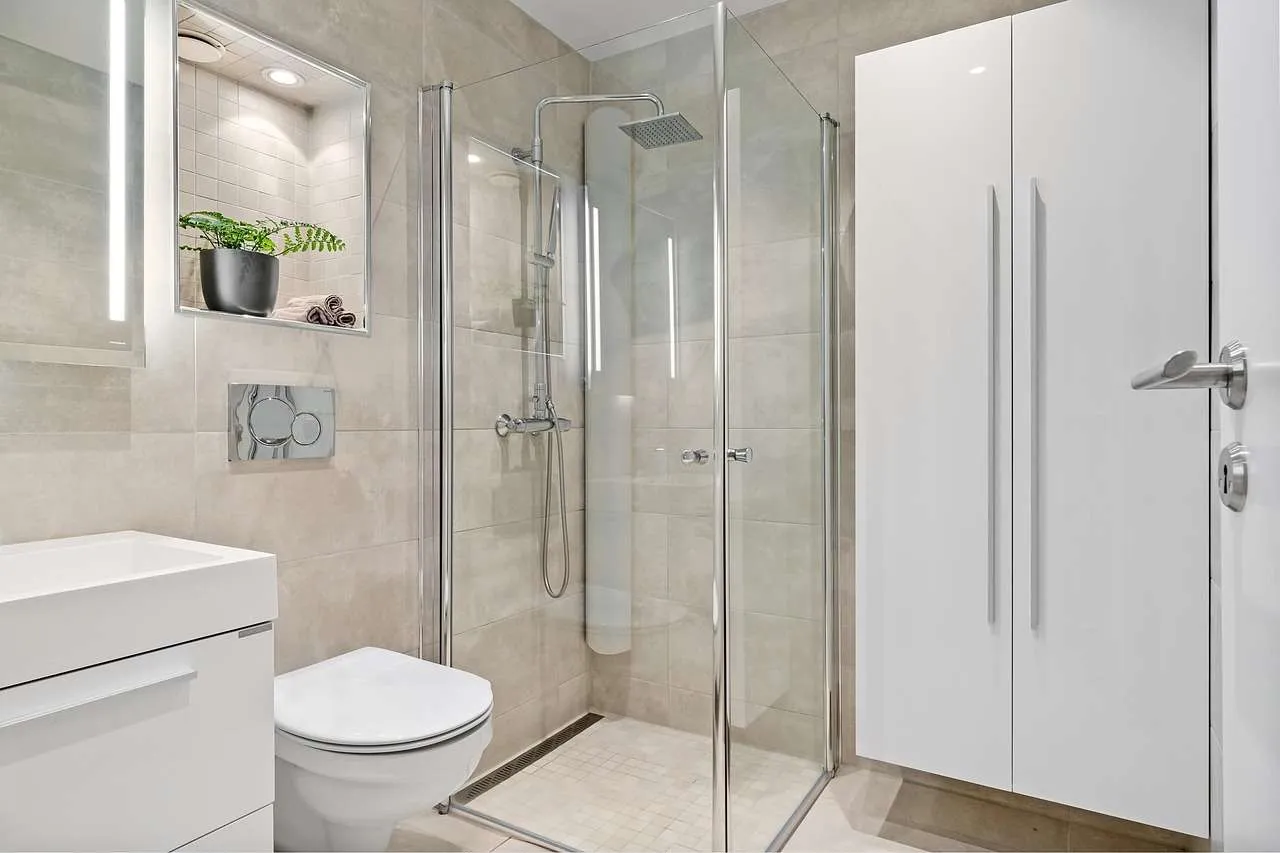
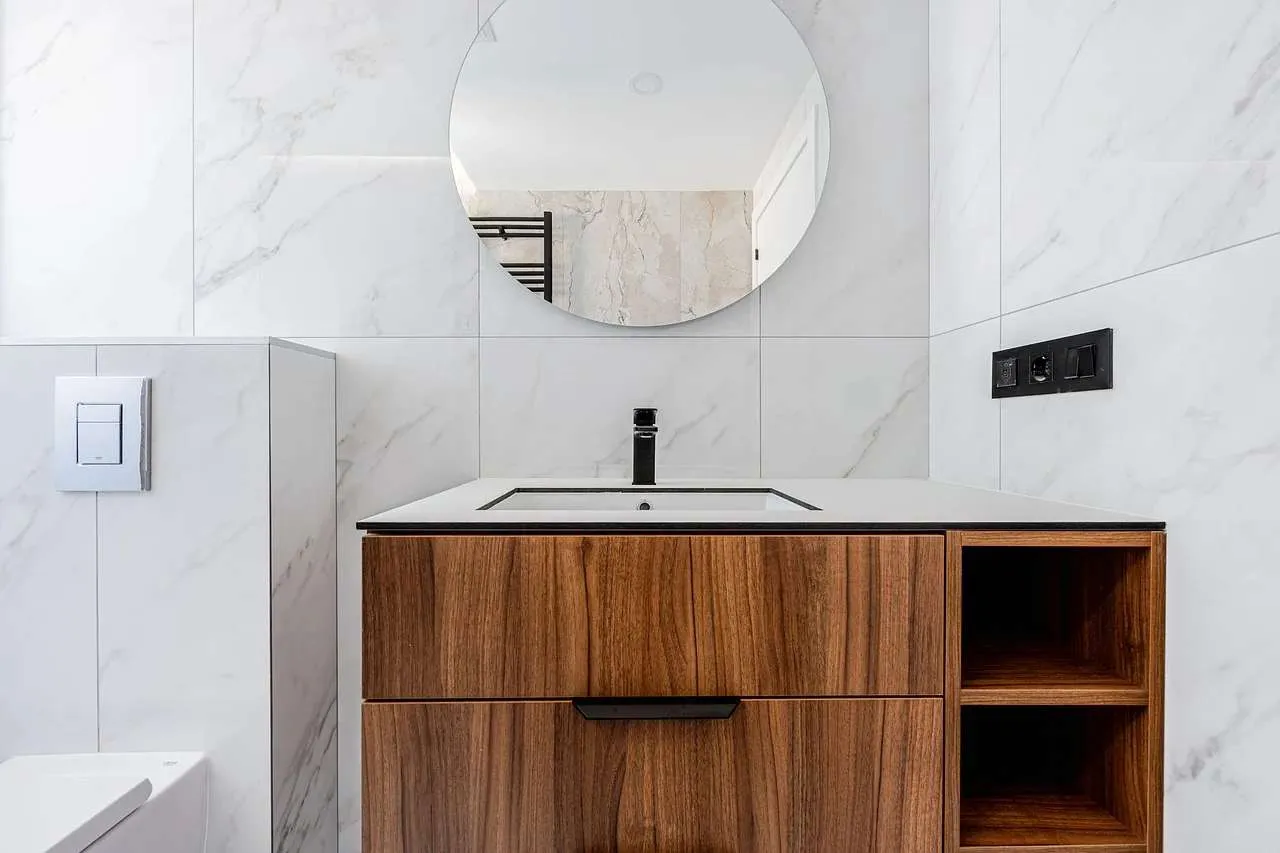
Tile size, pattern, and grout color drive the look and maintenance. Large-format tiles reduce grout lines and can visually enlarge a space, while small mosaics offer texture but require more upkeep. For wet areas, choose non-slip finishes and a grout with stain resistance. Horizontal runs and checkerboard patterns can enhance perceived width; vertical layouts can add height. Consider a water-resistant backing and a moisture barrier behind tile in shower niches and floors.
Installation basics
Solid surface prep is essential. Ensure the substrate is clean, flat, and structurally sound. In bathrooms, install a waterproofing membrane or backer board rated for wet areas, then apply the correct thinset mortar for your tile type. Use a quality grout with sealing options for cementitious grouts and ensure proper curing time. Expertly spaced joints and careful cutting around plumbing fixtures prevent leaks and cracking.
Maintenance and cleaning
Maintenance varies by material. Ceramic and porcelain glaze cleans with mild cleaners and a soft cloth or sponge. Stone requires pH-neutral cleaners and periodic sealing. Glass tile is bright but can show water spots unless wiped. Sealing grout prolongs color and minimizes staining, typically reapplying every 6–12 months depending on usage and grout type.
Compare tile options
| Tile Type | Water Resistance | Maintenance | Cost per sq ft (typical) | |
|---|---|---|---|---|
| Ceramic | Good | Low to Medium | $1–$6 | Bathrooms, backsplashes |
| Porcelain | Excellent | Low | $2–$12 | Shower surrounds, floors |
| Natural Stone | Varies (porous) | High (seal & care) | $5–$20 | Showers, feature walls |
| Glass | Excellent | Low | $7–$20 | Showers, accents |
| Mosaic/Tray | Excellent | Medium | $8–$25 | Borders, trims, shower pans |
Budgeting and planning
Plan for material costs, underlayment, waterproofing, professional installation, and potential demolition. DIY tiling can save labor, but wet-area waterproofing and leveling are easier with pro installation. Always request samples, read warranties, and verify tile today with in-store testing and reputable brands.
Longer-term considerations include re-grouting needs, color consistency across lots, and compatibility with fixtures. A cohesive palette—neutrals with one accent color or pattern—helps achieve timeless style that remains easy to update with accessories.
Conclusion, selecting the right bathroom tile balances aesthetics with performance. By understanding materials, layout, installation basics, and maintenance, you can create a durable, beautiful bathroom that stands the test of time.