Choosing bathroom tiles sets the tone for the room and protects walls and floors from moisture. This guide covers materials, design ideas, installation basics, and maintenance to help you pick tiles that look great and last for years.
Understanding bathroom tiles
Bathroom tiles combine style with practicality. Key considerations include material, slip resistance, water absorption, grout, and maintenance. The right tile choice enhances safety and reduces future renovation costs.
Tiles by material: ceramic, porcelain, and natural stone
Ceramic vs porcelain
Ceramic tiles are versatile and affordable, ideal for walls and light-traffic floors. Porcelain tiles are denser and less porous, offering superior water resistance and durability for bathrooms with high moisture or heavy use. Both come in a wide range of sizes and finishes; the choice often depends on budget and room conditions.
Design ideas and trends
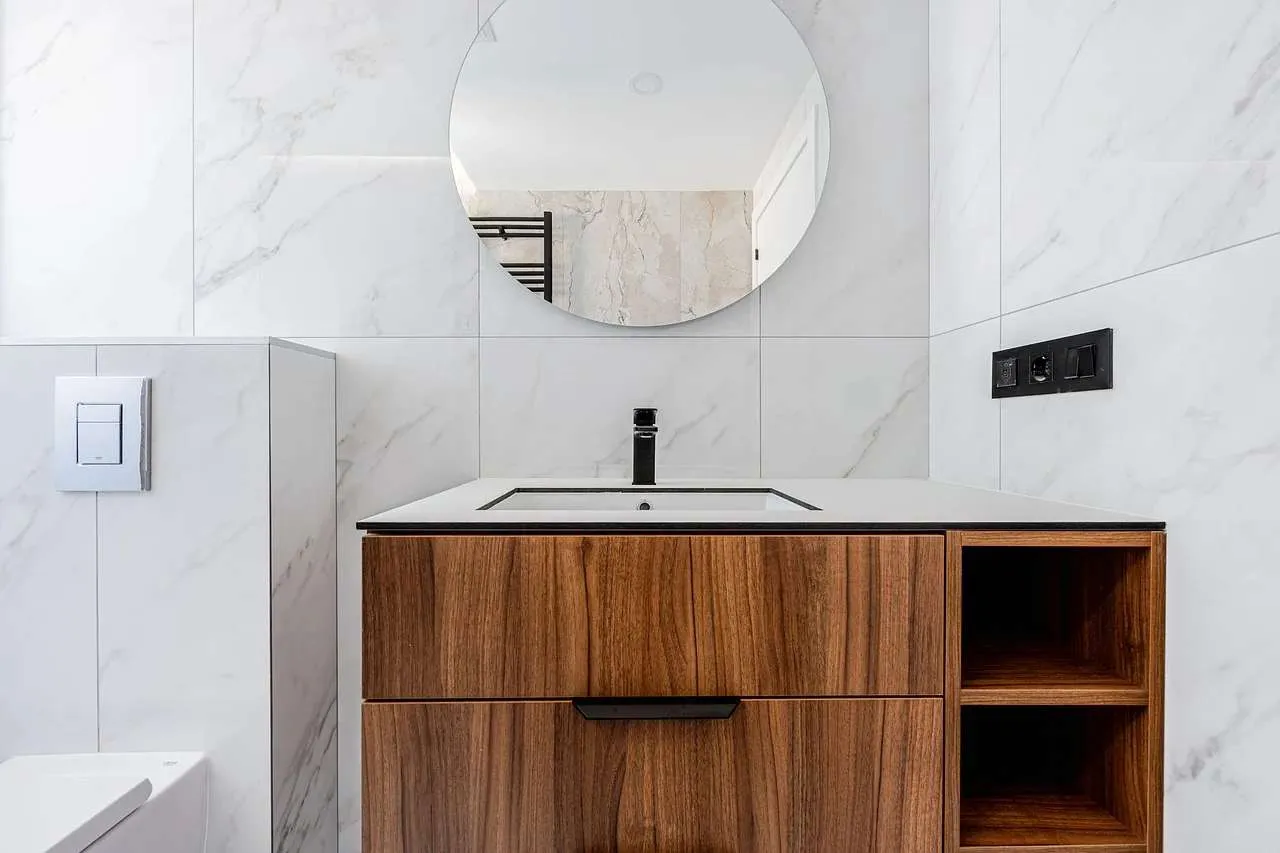
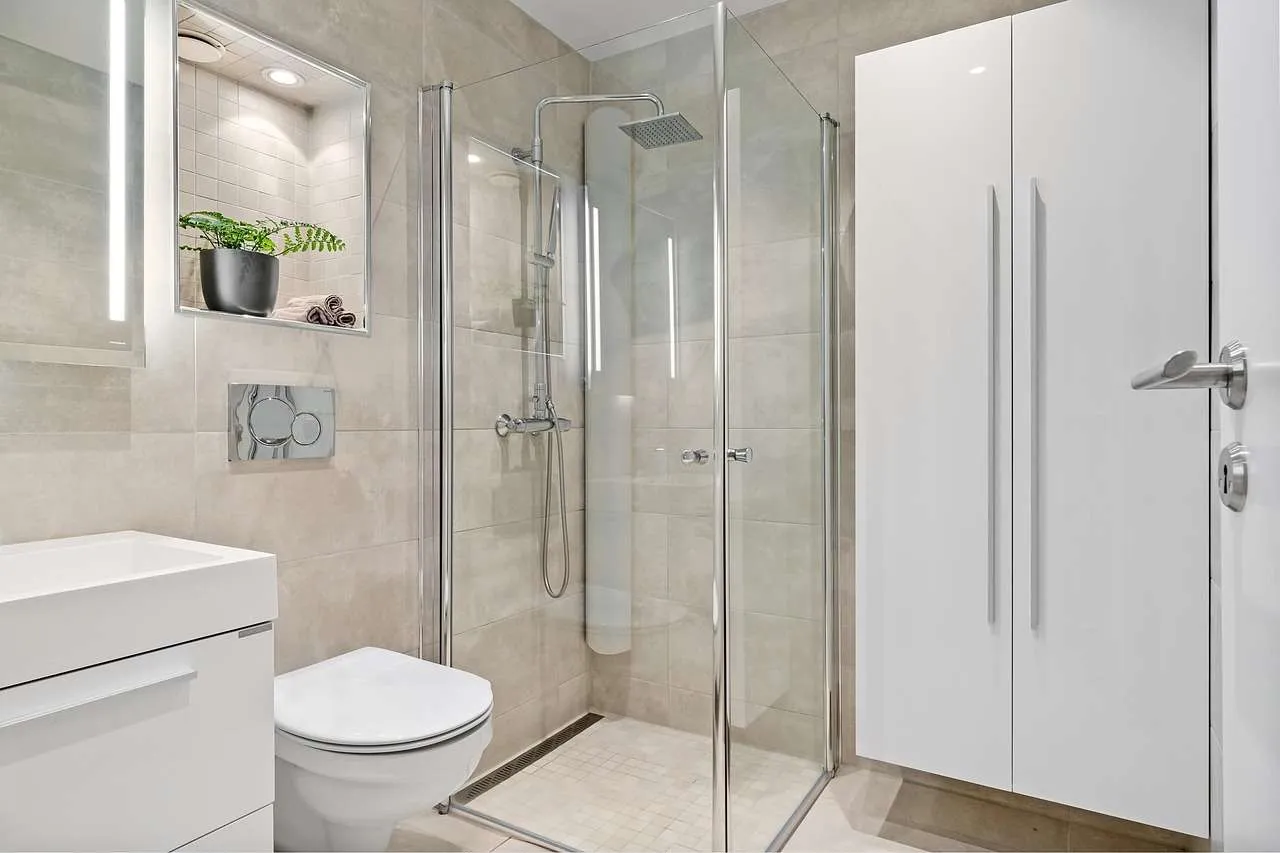
New trends include large-format tiles, beveled subway tiles, and patterned mosaics. For small bathrooms, large tiles with minimal grout lines create a sense of space. Subway tiles in a staggered or herringbone pattern add a classic look, while geometric or glass mosaics provide a focal point in showers or backsplashes. Color stories range from light neutrals to bold accents.
Patterns and layouts
Consider layout decisions early: run tiles parallel to the longest wall for a roomier feel, or use vertical stacks to emphasize height. Mixed materials—tile on the floor with a complementary wall tile—can add depth, but keep grout colors cohesive to avoid a busy look.
Size, layout, and installation basics
Before you install, assess subfloors and walls with a moisture barrier and backer board. Use a quality thin-set mortar, level the substrate, and plan for appropriate grout width. For DIY enthusiasts, small tiles or peel-and-stick options offer a lower-risk start, but larger formats and wet areas often benefit from professional installation to prevent cracks or leaks.
Maintenance and longevity
Maintenance requirements vary by material. Ceramic and porcelain clean easily with mild cleaners, while natural stone often needs sealing and periodic resealing. Regular sweeping, mopping with non-acidic cleaners, and promptly wiping water from shower walls extend tile life. Use slip-resistant finishes in wet zones and re-seal stone surfaces as recommended by manufacturers.
Material comparison
| Material | Durability | Water Resistance | Maintenance | Cost | Ideal Uses |
|---|---|---|---|---|---|
| Ceramic | Moderate | Good | Low to moderate | Low | Walls and light-to-moderate floors |
| Porcelain | High | Excellent | Low | Medium | Bathrooms, floors, wet areas |
| Natural Stone | High (with care) | Variable | Sealing required | High | Showers, countertops, luxury bathrooms |
| Glass | Moderate | Excellent | Low | Higher | Showers, backsplashes, accents |
| Cement/Metallic | Variable | Good | Moderate | Medium | Contemporary statements |
How to choose for your bathroom
Start with moisture and traffic: wet zones deserve high water resistance and slip resistance. Balance style with practicality by considering light exposure, color schemes, and grout maintenance. Sample tiles in your space and compare how different finishes reflect light before committing to a color story.
Cost considerations and planning
Budget for both tiles and installation. Larger formats can reduce grout lines and speed installation, but may require skilled cutting. Hidden costs include underlayment, waterproof membranes, and professional labor for complex layouts. Request written quotes and check warranties for tiles and adhesives.
Conclusion, choosing bathroom tiles involves balancing material performance, design, and maintenance. Ceramic and porcelain provide durability and versatility, natural stone adds luxury with sealing needs, and proper installation plus routine care protects your investment.